


Insulin Glargine • VERIFIEDSAVED $274
"I was rationing insulin. CVS $312 → Rite $38. I cried in my car."
CVS/Walmart → Rite✓ SAME MOLECULE


| 30pills | $60.99 $2.03 per pill |
Add To Cart
save:
$0.00
|
|
| 60pills | $109.99 $1.83 per pill |
Add To Cart
save:
$12.00
|
|
| 90pills | $123.99 $1.38 per pill |
Add To Cart
save:
$58.50
|
|
| 120pills | $137.99 $1.15 per pill |
Add To Cart
save:
$105.60
|
|
| 180pills | $181.99 $1.01 per pill |
Add To Cart
save:
$183.60
|
|
Talk to a pharmacist - free. Our licensed pharmacists answer within 60 seconds on weekdays. No upsell, no obligation. Discreet, HIPAA-aware chat.
"I was rationing insulin. CVS $312 → Rite $38. I cried in my car."
"Walmart $244 for Metformin. You? $19. Are you kidding me? Same damn pill."
"My mom cut her Lipitor in half for a year. Now she doesn't. $387 → $31."
"Boots charged £89. Rite £14. Same box. I felt scammed for 3 years."
"Amazon said 'cheap'. $196. RiteDrugstore $29. Prime my ass."
"My dad in India pays $8. I paid $198 at CVS. For the same factory."


Acamprosate calcium (Campral®) is an FDA-approved, first-line pharmacotherapy for the maintenance of abstinence in alcohol-dependent patients who have achieved detoxification, distinguished by its renally excreted profile, favorable safety in liver disease, and specific efficacy in supporting continuous abstinence rather than reducing heavy drinking. First synthesized as a structural analogue of GABA and homotaurine, acamprosate has accumulated over three decades of clinical experience since its European approval in 1989 and U.S. approval in 2004, with pharmacovigilance data covering more than 1.5 million patients demonstrating a consistent, moderate effect size in supporting abstinence outcomes.
Acamprosate's exact mechanism remains incompletely characterized, but the preponderance of translational evidence converges on functional modulation of glutamatergic neurotransmission, with indirect effects on GABAergic systems. Chronic alcohol exposure produces neuroadaptive upregulation of NMDA receptor function and hyperexcitability of the glutamatergic system; upon withdrawal, this manifests as subclinical hyperexcitability that contributes to negative reinforcement and craving.
At the molecular level, acamprosate exhibits low-affinity binding to the polyamine site on the NMDA receptor, acting as a bidirectional modulator-potentiating receptor activity in hypoactive states and inhibiting it in hyperexcited states, a property consistent with a "partial agonist" model. Additional mechanisms include antagonism at metabotropic glutamate receptor subtype 5 (mGluR5), inhibition of presynaptic GABA-B receptors, and modulation of glycine receptors, collectively contributing to restoration of glutamate homeostasis. Preclinical studies demonstrate that acamprosate reduces ethanol withdrawal-induced glutamate elevation in the nucleus accumbens, directly linking its molecular pharmacology to its clinical effect of diminishing withdrawal-related negative reinforcement.
Structurally, acamprosate is calcium N-acetyl-homotaurinate, a sulfonate amino acid that is highly polar and does not cross the blood-brain barrier readily, which likely accounts for its delayed onset of therapeutic effect (1-2 weeks for steady-state brain levels) and its lack of acute psychotropic effects.
The Cochrane systematic review (Rösner et al., 2010) provides the most comprehensive efficacy assessment, analyzing 24 randomized controlled trials with 6,915 participants. Key findings include:
- Return to any drinking: Acamprosate significantly reduced risk compared to placebo (RR 0.86, 95% CI 0.81-0.91), with a number needed to treat (NNT) of 9.
- Cumulative abstinence duration: Prolonged by an average of 11% compared to placebo, with effects persisting 3-12 months post-treatment.
- Return to heavy drinking: No significant difference versus placebo, a consistent finding across multiple trials.
The 2023 JAMA meta-analysis of AUD pharmacotherapy confirmed that acamprosate is associated with significantly improved alcohol consumption-related outcomes versus placebo, with comparable strength of evidence to naltrexone for abstinence outcomes (NNT = 11 for acamprosate).
A pivotal point of divergence comes from the COMBINE trial (Anton et al., 2006), the largest U.S. trial (n=1,383), which found no significant effect of acamprosate versus placebo on percent days abstinent, either alone or combined with naltrexone. This discrepancy is largely attributed to methodological differences: COMBINE enrolled non-abstinent patients at baseline, included a highly structured medical management arm, and used a shorter treatment duration (16 weeks) than European trials.
Comparative efficacy with naltrexone: Direct head-to-head comparisons in meta-analyses show no statistically significant difference between the agents for abstinence outcomes; however, naltrexone demonstrates superior efficacy for reducing heavy drinking while acamprosate shows superior efficacy for maintaining abstinence. The Maisel meta-analysis (2013) concluded that acamprosate is preferentially effective for patients with an abstinence goal, whereas naltrexone suits those seeking to reduce heavy drinking.
The standard adult regimen is two 333 mg tablets (666 mg) taken three times daily with meals, totaling 1,998 mg per day. Treatment should be initiated 3-7 days after the last drink, once acute withdrawal symptoms have resolved, to distinguish side effects from withdrawal phenomena and to avoid worsening hyperexcitability.
Renal dose adjustment is critical given exclusive renal elimination:
- CrCl 30-50 mL/min: reduce to one 333 mg tablet three times daily (999 mg/day).
- CrCl <30 mL/min: contraindicated due to accumulation risk.
The recommended treatment duration is at least 3-6 months, with continuation based on individual response, side effect profile, and relapse history (Grade A recommendation). Treatment may be continued beyond 6 months in patients who benefit and wish to continue; there is no evidence of a withdrawal syndrome upon discontinuation.
Acamprosate exhibits distinctive pharmacokinetic properties that shape its clinical use:
- Bioavailability: Approximately 11% after oral administration, with slow absorption mimicking a modified-release formulation (Tmax ≈ 6.3 hours).
- Half-life: 20-33 hours, with complete elimination 4 days after cessation.
- Metabolism: None; excreted unchanged in urine, with no protein binding.
- Food effect: Plasma levels are decreased by co-administration with food, though this is not considered clinically significant for efficacy.
- Steady state: Achieved by day 5 of treatment.
Notably, acamprosate has no clinically significant interactions with alcohol, benzodiazepines, disulfiram, or psychiatric medications, and can be safely continued during a lapse or relapse. The calcium salt component can chelate tetracyclines, reducing their absorption; patients should be counseled to separate administration times.
Acamprosate is generally well tolerated, with most adverse effects being mild, transient, and predominantly gastrointestinal:
- Diarrhea: The most common side effect, occurring in up to 17% of patients, typically resolving within days to weeks without discontinuation.
- Other common effects: Nausea, abdominal discomfort, dry mouth, headache, and pruritus.
- Serious risk: An FDA boxed warning exists for suicidal ideation and behavior, observed in a small subset of patients; caregivers should monitor for new or worsening depression.
Contraindications include:
- Severe renal impairment (CrCl ≤30 mL/min).
- Known hypersensitivity to acamprosate.
- Severe hepatic failure (Child-Pugh C), although this is primarily a precaution due to limited data rather than direct hepatotoxicity.
- Pregnancy and breastfeeding, due to insufficient controlled safety data.
Critically, acamprosate is safe in compensated and even decompensated cirrhosis with normal renal function, as it is renally excreted and produces no increase in hepatic adverse events compared to placebo in clinical trials.
Guidelines from NICE (CG115), SAMHSA, and the Australian Guidelines for the Treatment of Alcohol Problems position acamprosate as a first-line treatment for moderate to severe alcohol use disorder following successful withdrawal (Grade A recommendation). The NICE pathway specifies: "After a successful withdrawal for people with moderate and severe alcohol dependence, consider acamprosate or oral naltrexone to prevent relapse."
Optimal patient characteristics include:
- Abstinence goal: Acamprosate is preferentially effective for patients seeking complete abstinence rather than harm reduction.
- Hepatic impairment: Given the lack of hepatotoxicity, acamprosate is the preferred agent over naltrexone in patients with significant liver disease (including cirrhosis) where opioid antagonism carries risks.
- Opioid requirement: Unlike naltrexone, acamprosate does not antagonize opioid receptors and is safe for patients requiring opioid analgesia or opioid replacement therapy.
- Intolerance to naltrexone: For patients experiencing hepatic or gastrointestinal adverse effects with naltrexone.
- Mechanism: Glutamate modulation (NMDA, mGluR5); indirect GABA effects vs. opioid receptor antagonism.
- Primary outcome: Maintaining abstinence vs. reducing heavy drinking.
- NNT for abstinence: 9-12 vs. 11-18.
- Hepatic safety: Safe in cirrhosis vs. contraindicated in acute hepatitis, hepatic failure.
- Renal considerations: Dose-adjust in moderate impairment; contraindicated if CrCl <30 vs. no adjustment needed.
- Opioid interaction: None vs. blocks opioid analgesia.
- Dosing frequency: Three times daily vs. once daily.
Acamprosate occupies a distinct and evidence-supported position in the pharmacotherapy of alcohol use disorder, particularly for patients with an abstinence goal, hepatic comorbidity, or contraindications to opioid antagonism. The Cochrane evidence base-comprising 24 trials and nearly 7,000 patients-confirms a moderate but clinically meaningful effect (NNT ≈ 9) on abstinence outcomes with a benign safety profile. Its renally cleared pharmacokinetics, lack of clinically significant drug interactions, and absence of abuse potential make it a uniquely versatile agent, though its three-times-daily dosing requirement and lack of efficacy for heavy drinking reduction necessitate careful patient matching and counseling.

| Shipping method | Delivery time | Price | |
|---|---|---|---|
| Regular Delivery | 10 – 15 days | $10 | Tracking# in 4 days |
| Trackable Delivery | 5 – 10 days | $30 | Tracking# in 2 days |
Licensed pharmacy since 2016. We deliver the same FDA-approved generics as big chains, without the retail markup. Discreet, secure, and pharmacist-supported.
Verified pharmacy. HIPAA compliant, SSL secured checkout, and real pharmacist license you can verify.
Same active ingredient, same efficacy as brand. No counterfeits. Sourced from WHO-GMP certified facilities.
Free chat with a licensed pharmacist. Dosage questions, interactions, or transfer help — no bots.
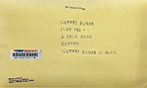
Plain letter packaging (24x11x0.7cm). No content disclosure. Billing appears as RiteDrugstore LLC.
We don't manufacture. We source directly from FDA-registered, WHO-GMP certified manufacturers in India, EU, and US — the same suppliers used by CVS and Walgreens for generics. Every batch is checked for Certificate of Analysis (CoA) and stored in temperature-controlled facility in NJ.
| Feature | RiteDrugstore | CVS / Walgreens |
|---|---|---|
| Price for Acamprosate 30 pills | $0.00 Generic | $350-480 Brand |
| Generic Availability | ✓ Immediate, FDA-approved | Often brand-only push |
| Pharmacist Chat | ✓ Free 24/7 chat | Counter only, limited hours |
| Prescription Transfer | ✓ We handle it for you | You call doctor |
| Packaging | ✓ 100% discreet letter | Pharmacy bag, labeled |
| What to check | RiteDrugstore | Shady Online Sites |
|---|---|---|
| Certified | ✓ Certified | ✗ No seal, fake badge |
| Requires Prescription? | Yes - we verify or help transfer | No Rx needed (red flag) |
| Hidden Fees at Checkout | No - price you see is final + shipping | Adds $30-50 at last step |
| Real Address | 1209 Orange St, Wilmington, DE | PO Box / No address |
| Batch Tracking | Lot # on package + invoice | No lot info |
Payment encrypted via 256-bit SSL. Confirmation email instantly.
Pharmacist reviews prescription, checks interactions. If transfer needed, we call your doctor.
Packed in plain white letter (9.4x4.3x0.3in). No logo, no content listed. Lot # added.
Regular: $10 (10-15 days) / Trackable: $30 (5-10 days). Tracking email when label created.
Mailbox delivery, signature not required. Support stays open for refills.
Choose your dose above (e.g. 200mg) and quantity. Click Add to Cart.
No Rx? Select "I need prescription transfer" - we contact your doctor free.
Pay with card, PayPal, or crypto. Get tracking in 2-4 days via email.
Same pill as retail chains, discreet delivery, pharmacist-backed.