


Anti-Depressants


Trazodone hydrochloride
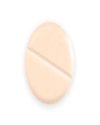
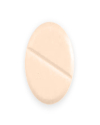



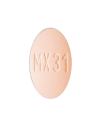
Citalopram hydrobromide
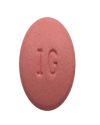
Bupropion hydrochloride

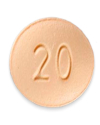
Vilazodone
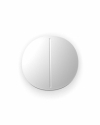
Vortioxetine
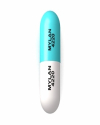

Bupropion
Wellbutrin SR, a trusted ally in the journey towards a happier you, offers a steady boost for those ...
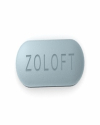
Sertraline



Citalopram
Feeling trapped in the shadows of depression? Celexa might just be the ray of light you've been searching ...

Duloxetine
Cymbalta, a versatile medication with a gentle touch, offers relief for both emotional and physical ...


Venlafaxine
Effexor, a powerful ally in the fight against mental health challenges, offers a lifeline to those ...

Venlafaxine
Effexor XR, a steadfast companion on the journey to emotional well-being, offers a steady stream of ...

Amitriptyline
Elavil, a trusted companion in the journey towards emotional well-being, offers a guiding light for ...

Amitriptyline
Endep, a beacon of hope for those navigating the complexities of depression, offers a gentle light ...
Escitalopram
Feeling overwhelmed by life's challenges? Lexapro might just be the gentle helping hand you need. ...

Fluvoxamine
Luvox, a trusted ally in the world of mental health, shines as a beacon of hope for those grappling ...

Nortriptyline Hydrochloride
Nortriptyline, a versatile medication with a rich history, provides relief for individuals facing ...

Nortriptyline
Pamelor, a trusted companion in the journey towards emotional well-being, offers a gentle lift for ...

Paroxetine
Paxil, a trusted ally in the world of mental health, offers a path to emotional balance for those ...

Paroxetine
Paxil CR, a trusted companion on the journey to emotional wellness, offers a steady path through the ...
Mirtazapine
Remeron, a beacon of hope in the fight against depression, offers a unique approach to restoring emotional ...

Risperidone
Risnia, a trusted ally in the world of mental health, shines as a beacon of hope for those navigating ...


Imipramine
Tofranil, a pioneering medication in the realm of mental health, stands as a beacon of hope for those ...

Venlafaxine
Venlor, a trusted ally in the realm of antidepressants, stands as a beacon of hope for those navigating ...

Bupropion
Wellbutrin, a trusted companion on the journey to emotional well-being, offers a spark for those seeking ...
Duloxetine

Imipramine

Antidepressants are prescription medications designed to help alleviate symptoms of depression and other mental health conditions. They work by balancing brain chemicals called neurotransmitters, such as serotonin and norepinephrine, which are crucial for mood regulation.
Types of Antidepressants
Several types of antidepressants are available, each working differently and suitable for different individuals:
- Selective Serotonin Reuptake Inhibitors (SSRIs): SSRIs are the most commonly prescribed antidepressants. They work by increasing levels of serotonin, a neurotransmitter associated with mood regulation. Examples include fluoxetine (Prozac), sertraline (Zoloft), paroxetine (Paxil), citalopram (Celexa), and escitalopram (Lexapro).
- Serotonin and Norepinephrine Reuptake Inhibitors (SNRIs) SNRIs increase levels of both serotonin and norepinephrine, another neurotransmitter influencing mood and energy levels. Common SNRIs include venlafaxine (Effexor), duloxetine (Cymbalta), desvenlafaxine (Pristiq), and levomilnacipran (Fetzima).
- Tricyclic Antidepressants (TCAs) TCAs are an older class of antidepressants that affect various neurotransmitters. They are less commonly used due to potential side effects but can be effective for some individuals. Examples include amitriptyline (Elavil), imipramine (Tofranil), nortriptyline (Pamelor), and desipramine (Norpramin).
- Monoamine Oxidase Inhibitors (MAOIs) MAOIs are another older class of antidepressants. They work by inhibiting the enzyme monoamine oxidase, which breaks down neurotransmitters. MAOIs require dietary restrictions due to potential interactions with certain foods. Examples include phenelzine (Nardil), tranylcypromine (Parnate), isocarboxazid (Marplan), and selegiline (Emsam).
- Atypical Antidepressants Atypical antidepressants don't fit neatly into other categories and work in unique ways. They include bupropion (Wellbutrin), mirtazapine (Remeron), and trazodone (Desyrel).
The choice of antidepressant is highly individualized. Consult a healthcare professional to discuss which type might be best for your specific needs and medical history.
How Antidepressants Work?
Antidepressants are medications designed to alleviate symptoms of depression and other mental health conditions. They primarily achieve this by targeting and modifying the activity of neurotransmitters, the chemical messengers in the brain responsible for communication between nerve cells.
The Role of Neurotransmitters in Mood
Several key neurotransmitters are involved in regulating mood and emotions:
- Serotonin: Often called the "feel-good" chemical, serotonin contributes to feelings of happiness, calmness, and overall well-being.
- Dopamine: Associated with motivation, reward, and pleasure, dopamine plays a crucial role in experiencing enjoyment and satisfaction.
- Norepinephrine: Also known as noradrenaline, norepinephrine is involved in alertness, energy, focus, and the body's stress response.
- Other neurotransmitters: Other brain chemicals like GABA (gamma-aminobutyric acid) and glutamate also play a role in mood regulation.
Antidepressants and Neurotransmitter Activity
Different types of antidepressants work in various ways to influence neurotransmitter levels and activity:
-
Selective Serotonin Reuptake Inhibitors (SSRIs): SSRIs block the reabsorption (reuptake) of serotonin by nerve cells, thereby increasing the amount of serotonin available in the brain.
-
Serotonin and Norepinephrine Reuptake Inhibitors (SNRIs): SNRIs work similarly to SSRIs but also block the reuptake of norepinephrine, increasing levels of both neurotransmitters.
-
Tricyclic Antidepressants (TCAs): TCAs inhibit the reuptake of both serotonin and norepinephrine but also affect other neurotransmitters, leading to a wider range of potential side effects.
-
Monoamine Oxidase Inhibitors (MAOIs): MAOIs block the action of monoamine oxidase, an enzyme that breaks down neurotransmitters like serotonin, dopamine, and norepinephrine. This leads to increased levels of these neurotransmitters.
-
Atypical Antidepressants: Atypical antidepressants have diverse mechanisms of action. For example, bupropion affects both norepinephrine and dopamine, while mirtazapine increases both norepinephrine and serotonin levels.
It's Important to Note:
- The exact mechanism by which antidepressants alleviate depression is still not fully understood.
- It takes time for antidepressants to work, usually several weeks to notice significant effects.
- Individual responses to antidepressants can vary, and finding the right medication and dosage often requires trial and error.
- Antidepressants are typically most effective when combined with therapy or counseling.
Safe and Effective Treatment
Consultation with a Healthcare Professional:
Before starting any antidepressant, consulting with a doctor or psychiatrist is crucial. They will assess your symptoms, diagnose your condition, and discuss your medical history to determine the most suitable medication and dosage for you. This personalized approach ensures that the treatment is tailored to your specific needs and minimizes the risk of adverse reactions.
Starting and Adjusting Dosages:
Antidepressants are typically started at a low dose, which is gradually increased over time. This allows your body to adjust to the medication and reduces the likelihood of side effects. Your doctor will monitor your progress and adjust the dosage as needed until you reach a therapeutic level where the medication is most effective. Be patient, as it may take several weeks for the full effects of the medication to become apparent.
Combining with Therapy:
While antidepressants can be effective in managing symptoms, combining them with therapy, such as cognitive-behavioral therapy (CBT) or interpersonal therapy (IPT), often yields the best results. Therapy helps you develop coping mechanisms, address underlying issues contributing to your condition, and build resilience for long-term well-being. This holistic approach addresses both the biological and psychological aspects of mental health.
Long-Term Use and Discontinuation:
For some individuals, long-term use of antidepressants may be necessary to maintain stability and prevent relapse. However, it's essential to regularly discuss the benefits and risks of continued medication with your doctor. If you and your doctor decide to discontinue the medication, it's crucial to do so gradually under medical supervision to minimize withdrawal symptoms.
Remember, using antidepressants is a personal journey, and what works for one person may not work for another. Open communication with your healthcare provider is key to ensuring safe and effective treatment.
Effectiveness
Research and Clinical Trials:
Numerous clinical trials have investigated the effectiveness of antidepressants, with results indicating that they can be beneficial for many individuals. Meta-analyses, which combine data from multiple studies, suggest that antidepressants are generally more effective than placebo in reducing depressive symptoms. However, the magnitude of the effect can vary depending on the individual and the specific medication.
While antidepressants have proven effective for many, it's important to acknowledge that they do not work for everyone. Some studies have reported high rates of placebo response, suggesting that factors other than the medication itself, such as the therapeutic relationship and expectation of improvement, can also contribute to recovery.
Severity of Depression and Response:
The effectiveness of antidepressants can vary depending on the severity of depression. Research suggests that individuals with moderate to severe depression may experience greater benefit from antidepressants compared to those with mild depression. This may be because mild depression is often more responsive to non-pharmaceutical interventions like therapy or lifestyle changes.
However, it's important to note that even individuals with severe depression may not respond to the first antidepressant they try. It might take some trial and error to find the right medication and dosage that works best for each person.
Overall, the effectiveness of antidepressants is a complex issue with varying results depending on individual factors and the severity of the condition.
Side Effects
Antidepressants, while helpful for many individuals with depression and other mental health conditions, can come with various side effects. It's important to be aware of these potential side effects and discuss them with your healthcare professional.
Common Side Effects:
Side effects can vary depending on the specific antidepressant and individual reactions. Some of the most common side effects include:
- SSRIs and SNRIs: Nausea, dizziness, drowsiness, dry mouth, insomnia, headache, nervousness, agitation, sexual problems (reduced sex drive, difficulty reaching orgasm).
- TCAs: Dry mouth, constipation, blurred vision, dizziness, drowsiness, weight gain, low blood pressure, increased heart rate.
- MAOIs: Dizziness, lightheadedness, drowsiness, dry mouth, constipation, nausea, headache.
- Atypical Antidepressants: These vary depending on the specific medication. For example, bupropion may cause insomnia and agitation, while mirtazapine may cause drowsiness and weight gain.
These side effects are usually mild and often improve over time as the body adjusts to the medication. However, if they persist or become bothersome, it's important to talk to your doctor.
Serious Side Effects and Precautions:
While rare, some antidepressants can cause more serious side effects. These include:
- Serotonin Syndrome: This is a potentially life-threatening condition that occurs when serotonin levels in the brain become too high. Symptoms can include agitation, confusion, rapid heart rate, high blood pressure, muscle rigidity, and fever. It's more likely to occur when combining different medications that affect serotonin levels.
- Increased risk of suicidal thoughts or behaviors: Some antidepressants, particularly in children and young adults, may increase the risk of suicidal thoughts or behaviors during the initial weeks of treatment or when the dosage is changed. Close monitoring and open communication with your doctor are essential during this time.
- Other rare but serious side effects: These can include hyponatremia (low sodium levels), seizures, and allergic reactions.
Ordering Antidepressants online
RiteDrugstore mail order pharmacy offers a safe, convenient, and confidential way to order your antidepressant medications online. We understand the importance of managing your mental health, and we're here to make the process as simple as possible.
Why Choose Our Mail Order Pharmacy:
- Convenience: Skip the trips to the pharmacy and have your medications delivered directly to your home.
- Privacy: Your orders are discreetly packaged to protect your privacy.
- Expert Support: Our licensed pharmacists are available to answer your questions and provide guidance.
- Competitive Prices: We offer competitive prices on a wide range of antidepressant medications.
- Automatic Refills: Set up automatic refills so you never run out of your medication.
FAQs
Can I take antidepressants if I'm pregnant or breastfeeding?
Some antidepressants may be safe during pregnancy or breastfeeding, but it's crucial to discuss with your doctor as the potential risks and benefits vary depending on the specific medication.
Can antidepressants be used to treat conditions other than depression?
Yes, antidepressants are often prescribed for anxiety disorders, obsessive-compulsive disorder (OCD), post-traumatic stress disorder (PTSD), and certain types of chronic pain.
Are there any natural alternatives to antidepressants?
While some natural remedies like St. John's Wort or certain supplements may have mild antidepressant effects, it's important to consult with a healthcare professional before using them, as they can interact with other medications or have their own side effects.
Will antidepressants change my personality?
Antidepressants are designed to improve mood and alleviate symptoms, not alter your personality. However, some people may experience changes in energy levels or sleep patterns, which can indirectly affect their overall demeanor.
Are antidepressants addictive?
Antidepressants are not considered addictive in the traditional sense of causing cravings or dependence. However, stopping abruptly can lead to withdrawal symptoms, so it's important to taper off gradually under medical supervision.


