


Anti Viral


Dolutegravir/Lamivudine/Tenofovir disoproxil fumarate

Sofosbuvir
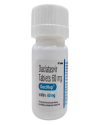
Tenofovir disoproxil / daclatasvir / sofosbuvir

Sofosbuvir

Raltegravir
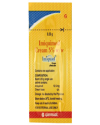
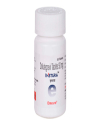
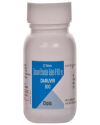

Daclatasvir

Chloroquine phosphate



Oseltamivir Phosphate


Ivermectin


Nevirapine
When it comes to managing HIV, Viramune (nevirapine) stands out as a beacon of hope and efficacy. ...

Valacyclovir
Valtrex is a powerful antiviral medication used to treat and manage viral infections such as herpes ...

Amantadine
Symmetrel is a versatile medication used to treat and prevent influenza A and to manage symptoms of ...


Ivermectin
Stromectol, with its active ingredient ivermectin, is your trusted ally in the fight against a range ...

Sofosbuvir
Sovaldi is a powerful weapon in the fight against hepatitis C. This antiviral medication targets the ...


Molnupiravir
Molnunat represents a significant advancement in the fight against COVID-19. This oral antiviral medication ...

Lopinavir/Ritonavir
Kaletra is a formidable weapon in the arsenal against HIV. This combination medication works by preventing ...

Ledipasvir / Sofosbuvir
Harvoni is a groundbreaking treatment that offers hope to those living with ...

Famciclovir
Famvir is a highly effective antiviral medication used to treat infections caused by certain types ...

Daclatasvir
Daklinza is a targeted weapon in the fight against hepatitis C. This antiviral ...

Aciclovir is an antiviral medication renowned for its effectiveness in treating infections caused ...

Acyclovir
Acyclovir cream is a topical antiviral treatment designed to effectively manage and alleviate symptoms ...


Chloroquine
Aralen (Chloroquine) is your trusted ally in the fight against malaria, a life-threatening disease. ...


Lamivudine
Epivir is a leading antiviral medication used to treat HIV and chronic hepatitis B virus (HBV) infections. ...

Lamivudine
Epivir-HBV (lamivudine) is a highly effective antiviral medication used to manage chronic hepatitis ...





Oseltamivir Phosphate
Disoproxil Fumarate
Antiviral medications are essential tools in the fight against viral infections, providing relief from symptoms and helping to prevent serious complications. While some antiviral medications can cure certain viral infections, others are used to manage the symptoms and reduce the severity of the illness. Our licensed mail-order pharmacy is committed to offering you safe, effective, and affordable antiviral options delivered directly to your door. We understand the importance of convenience and accessibility when it comes to managing your health, and our streamlined process ensures a hassle-free experience.
How Antivirals Work?
Antivirals are designed to be highly specific, targeting viral enzymes or proteins that are essential for the virus's survival but not present in human cells. This helps to minimize side effects on the patient.
Different antiviral drugs work in different ways, including:
- Blocking viral entry: Some antivirals prevent the virus from attaching to or entering host cells.
- Inhibiting viral enzymes: Many antivirals target specific viral enzymes, such as polymerases or proteases, that are necessary for viral replication.
- Disrupting viral assembly: Some antivirals interfere with the assembly of new viral particles.
Commonly Used Antivirals
Antiviral medications are used to treat a wide range of viral infections, including:
- Herpesviruses: Acyclovir, valacyclovir, famciclovir (for cold sores, genital herpes, chickenpox, shingles)
- Influenza: Oseltamivir (Tamiflu), zanamivir (Relenza), peramivir (Rapivab)
- Hepatitis B and C: Several different antivirals, including entecavir (Baraclude), tenofovir disoproxil fumarate (Viread), sofosbuvir (Sovaldi)
- HIV/AIDS: A wide variety of antiretroviral drugs used in combination therapy, including nucleoside reverse transcriptase inhibitors (NRTIs), non-nucleoside reverse transcriptase inhibitors (NNRTIs), protease inhibitors, integrase inhibitors, and others.
- COVID-19: Remdesivir (Veklury), nirmatrelvir/ritonavir (Paxlovid), molnupiravir (Lagevrio)
When to Take Antivirals?
Antiviral medications are most effective when started early in the course of the illness. For some infections, such as the flu, treatment should begin within 48 hours of symptom onset. Consult your doctor to determine the best course of action.
Who Should Take Antivirals?
People with viral infections who are at high risk of complications, such as:
- Older adults: Age 65 and over
- Young children: Under 5 years old
- Pregnant women
- People with chronic medical conditions: Asthma, diabetes, heart disease, lung disease, kidney disease, liver disease, weakened immune system
- Residents of nursing homes and long-term care facilities
Precautions
- Antiviral resistance: Viruses can develop resistance to antiviral drugs, making them less effective.
- Side effects: Antivirals can cause side effects, such as nausea, vomiting, diarrhea, and headache.
- Drug interactions: Antivirals may interact with other medications you are taking.
Pregnancy and Breastfeeding
The use of antivirals during pregnancy and breastfeeding requires careful consideration due to potential risks to the developing fetus or infant. However, in certain situations, the benefits of treatment may outweigh the risks. Here's a breakdown of key points to consider:
General Considerations:
- Risk vs. Benefit: The decision to use antivirals during pregnancy or breastfeeding should be made on a case-by-case basis, weighing the potential risks to the fetus or infant against the benefits of treating the viral infection in the mother.
- Timing: The trimester of pregnancy can also influence the decision, as certain medications may pose greater risks during specific developmental stages.
- Alternative Treatments: In some cases, non-pharmacological treatments or alternative medications with a more established safety profile may be considered.
Specific Antivirals:
- Influenza Antivirals: Oseltamivir (Tamiflu) is generally considered safe for use during pregnancy, especially if the benefits of treating influenza outweigh the potential risks.
- Herpes Antivirals: Acyclovir and valacyclovir are often used to manage herpes infections during pregnancy, particularly for primary infections or severe recurrences.
- HIV Antivirals: Antiretroviral therapy (ART) is crucial for pregnant women with HIV to reduce the risk of transmission to the infant. The specific ART regimen may be adjusted based on safety considerations.
- COVID-19 Antivirals: The use of COVID-19 antivirals like Paxlovid and Lagevrio in pregnancy and breastfeeding is generally not recommended due to limited data on safety.
- Other Antivirals: The safety of many other antivirals during pregnancy and breastfeeding is not well established. It's essential to consult with a healthcare provider for guidance on specific medications.
Breastfeeding Considerations:
- Drug Transfer: Many antivirals can pass into breast milk, but the amount and potential effects on the infant vary.
- Infant Risk: The potential risks to the infant from exposure to antivirals through breast milk need to be carefully assessed.
- Alternative Feeding: In some cases, temporary interruption of breastfeeding or the use of formula may be recommended during antiviral treatment.
Cost of Antivirals
The cost of antiviral treatment can vary significantly depending on several factors, including:
- Type of antiviral: Different antivirals have different price points. Newer medications or those with complex formulations tend to be more expensive than older, generic options.
- Length of treatment: Some antiviral treatments require short courses, while others, like those for chronic infections like HIV or hepatitis, necessitate long-term use, leading to higher cumulative costs.
- Insurance coverage: Health insurance can significantly offset the cost of antivirals, but out-of-pocket expenses like deductibles and copays can still be substantial.
- Availability of generics: Generic versions of antivirals are generally less expensive than brand-name drugs.
- Location: Drug prices can vary by country and region due to differences in healthcare systems and pricing regulations.
Specific Examples:
- COVID-19 Antivirals: The cost of COVID-19 antivirals like Paxlovid and Lagevrio can vary significantly depending on insurance coverage and availability of government subsidies. In the US, the price of Paxlovid has been set at $1,390 for a five-day course, but for those with insurance or government assistance, the cost may be much lower or even free.
- HIV Antiretrovirals: The cost of antiretroviral therapy (ART) for HIV varies depending on the specific combination of drugs used and the duration of treatment. In the US, ART can cost thousands of dollars per year without insurance, but many insurance plans cover a significant portion of the cost.
- Flu Antivirals: The cost of flu antivirals like Tamiflu and Relenza can range from $100 to $150 for a course of treatment. Generic versions may be available at a lower cost.
Antiviral Prophylaxis
Antiviral prophylaxis refers to the preventive use of antiviral medications to reduce the risk of a viral infection or its reactivation. This is particularly important for individuals with weakened immune systems or those at high risk of exposure to specific viruses.
Who Needs Antiviral Prophylaxis?
- Immunocompromised Individuals: People with weakened immune systems, such as those with HIV/AIDS, organ transplants, or undergoing chemotherapy, are more susceptible to viral infections.
- Healthcare Workers: Healthcare professionals who are at high risk of exposure to viruses like influenza or hepatitis B may be recommended prophylaxis.
- Close Contacts: Individuals in close contact with someone with a contagious viral infection (e.g., influenza, chickenpox) may benefit from prophylaxis to prevent transmission.
- Travelers: Depending on the destination and the individual's health status, antiviral prophylaxis might be recommended for certain travel-related infections.
Types of Antiviral Prophylaxis:
- Pre-exposure Prophylaxis (PrEP): Taken before potential exposure to a virus to prevent infection. Examples include PrEP for HIV and antiviral prophylaxis for influenza in high-risk individuals during flu season.
- Post-exposure Prophylaxis (PEP): Taken after exposure to a virus to reduce the risk of developing the infection. Examples include PEP for HIV and rabies.
Commonly Used Antivirals for Prophylaxis:
- Oseltamivir (Tamiflu): Used for influenza prophylaxis in high-risk individuals and close contacts.
- Valacyclovir or Acyclovir: Used for herpes simplex virus (HSV) and varicella-zoster virus (VZV) prophylaxis in immunocompromised individuals.
- Tenofovir or Entecavir: Used for hepatitis B virus (HBV) prophylaxis in individuals at risk of reactivation.
Considerations and Precautions:
- Individualized Approach: The decision to use antiviral prophylaxis should be made on a case-by-case basis, considering the individual's health status, risk factors, and the potential benefits and risks of the medication.
- Side Effects: Antivirals can have side effects, which should be discussed with a healthcare provider before starting prophylaxis.
- Adherence: It's crucial to adhere to the prescribed regimen to ensure the effectiveness of prophylaxis.
- Resistance: The overuse or misuse of antivirals can lead to the development of drug-resistant viruses.
Benefits of Antiviral Prophylaxis:
- Prevention of Infection: Prophylaxis can significantly reduce the risk of acquiring or reactivating a viral infection.
- Reduced Severity of Illness: If an infection does occur despite prophylaxis, it may be less severe and shorter in duration.
- Protection of Vulnerable Populations: Prophylaxis helps protect individuals with weakened immune systems and those at high risk of complications from viral infections.
Future of Antivirals
Researchers are continually working to develop new and more effective antiviral medications. There is a growing interest in broad-spectrum antivirals that can target multiple types of viruses, as well as in new approaches to treating viral infections, such as immunotherapy.
Why use Our Mail-Order Pharmacy?
-
Licensed and Regulated: RiteDrugstore operates under strict regulations to ensure the safety and quality of the medications we dispense.
-
Wide Selection: We offer a comprehensive range of antiviral medications to treat various viral infections.
- Expert Guidance: Our pharmacists are available to answer your questions and provide personalized recommendations.
- Convenient Delivery: We deliver your medications directly to your home, saving you time and effort.
- Competitive Prices: RiteDrugstore strives to offer affordable pricing on all our antiviral medications.
FAQs
Are antiviral medications safe?
When used as directed under the supervision of a healthcare professional, antiviral medications are generally safe and effective.
Are antiviral medications available over-the-counter?
Some antiviral medications are available over-the-counter, while others require a prescription from a healthcare provider.
Are there any side effects associated with antiviral medications?
Like all medications, antivirals can have side effects. It's important to discuss potential side effects with your doctor or pharmacist.
How do I order antiviral medications from your mail-order pharmacy?
Ordering is simple! Browse our selection, add the medication to your cart, and proceed to checkout. We'll handle the rest.


