


Gastro Health


Solifenacin




Rabeprazole sodium


Prucalopride

Misoprostol

Polyethylene glycol 3350





Dexlansoprazole

Mebeverin hydrochloride


Misoprostol




Ondansetron
Zofran, a widely used antiemetic medication, is highly effective in preventing and treating nausea ...


Metoclopramide
Imagine your stomach as a busy intersection. Sometimes, traffic gets backed ...
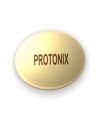
Pantoprazole
Protonix is like a superhero for your stomach. It's a powerful acid reducer that helps calm the fiery ...


Lansoprazole
Prevacid is like a peacemaker for your stomach. It works by significantly reducing the amount of acid ...


Famotidine
Reglan helps your stomach and intestines work more efficiently. It accelerates the movement of food ...


Esomeprazole
Nexium is like a superhero for your stomach. It's a powerful acid reducer that effectively tames the ...


Metoclopramide
Maxolon helps keep your digestive system running smoothly. It's like a traffic cop directing the flow ...



Rabeprazole
Aciphex helps to tame your stomach's acid production. It's like turning down the heat on a fiery kitchen. ...

Ursodeoxycholic acid
If you're seeking a natural and effective way to address gallstones, Actigall offers a path toward ...

Mesalamine
Asacol, a trusted companion for those navigating the challenges of ulcerative colitis, offers soothing ...

Mebeverine
Colospa is like a gentle yoga instructor for your gut. It helps relax the tense muscles in your tummy, ...


Ranitidine

Pancrelipase

Famotidine
Gastrointestinal (GI) health is often overlooked until something goes wrong. From heartburn to irritable bowel syndrome (IBS), digestive issues can significantly impact our quality of life. Fortunately, a wide range of medications exists to help manage and treat these conditions.
We'll explore the complex landscape of gastro health medications, covering everything from common conditions and their symptoms to various treatment options, potential side effects, and tips for effective management. Whether you're seeking relief from occasional indigestion or managing a chronic condition, RiteDrugstore will provide you with valuable information to support your gastro health journey.
Understanding Gastrointestinal Conditions
1. Acid Reflux and GERD
Acid reflux occurs when stomach acid flows back up into the esophagus, causing heartburn and other symptoms. Gastroesophageal reflux disease (GERD) is a chronic form of acid reflux that can lead to complications if left untreated.
Common symptoms of acid reflux and GERD include:
- Heartburn (a burning sensation in the chest)
- Regurgitation (a sour or bitter taste in the mouth)
- Difficulty swallowing
- Chest pain
- Chronic cough
- Hoarseness
2. Irritable Bowel Syndrome (IBS)
IBS is a functional disorder affecting the large intestine. It's characterized by abdominal pain, bloating, and changes in bowel habits (diarrhea, constipation, or both).
Common symptoms of IBS include:
- Abdominal pain and cramping
- Bloating and gas
- Diarrhea or constipation
- Mucus in the stool
- Feeling of incomplete bowel movement
3. Inflammatory Bowel Disease (IBD)
IBD encompasses two chronic conditions: Crohn's disease and ulcerative colitis. Both involve inflammation of the digestive tract, leading to abdominal pain, diarrhea, and other symptoms.
Common symptoms of IBD include:
- Persistent diarrhea
- Abdominal pain and cramping
- Blood in the stool
- Fatigue
- Weight loss
- Fever
4. Peptic Ulcers
Peptic ulcers are sores that develop on the lining of the stomach or duodenum (the first part of the small intestine). They can cause burning stomach pain, nausea, and vomiting.
Common symptoms of peptic ulcers include:
- Burning stomach pain
- Nausea and vomiting
- Bloating
- Feeling of fullness
- Loss of appetite
- Weight loss
5. Constipation
Constipation is a common condition characterized by infrequent bowel movements or difficulty passing stool.
Common symptoms of constipation include:
- Infrequent bowel movements (less than three times a week)
- Hard or lumpy stools
- Straining during bowel movements
- Feeling of incomplete evacuation
- Abdominal pain and bloating
Types of Gastro Medications
A wide variety of medications is available to treat various gastrointestinal conditions. These medications can be broadly categorized into the following types:
1. Antacids
Antacids are over-the-counter medications that neutralize stomach acid, providing quick relief from heartburn and indigestion. They typically contain calcium carbonate, magnesium hydroxide, or aluminum hydroxide.
2. H2 Blockers
H2 blockers reduce the production of stomach acid, helping to prevent and treat heartburn and other symptoms associated with acid reflux and GERD. Common examples include famotidine (Pepcid) and ranitidine (Zantac).
3. Proton Pump Inhibitors (PPIs)
PPIs are potent acid reducers that block the production of stomach acid at the cellular level. They're used to treat various conditions, including GERD, peptic ulcers, and Zollinger-Ellison syndrome. Examples include omeprazole (Prilosec), esomeprazole (Nexium), and lansoprazole (Prevacid).
4. Antispasmodics
Antispasmodics relax the muscles in the digestive tract, helping to relieve abdominal pain and cramping associated with IBS and other conditions. Dicyclomine (Bentyl) and hyoscyamine (Levsin) are common examples.
5. Laxatives
Laxatives promote bowel movements, providing relief from constipation. They work in various ways, such as increasing stool bulk, softening the stool, or stimulating bowel contractions. Common types include bulk-forming laxatives, stool softeners, osmotic laxatives, and stimulant laxatives.
6. Antidiarrheals
Antidiarrheals help control diarrhea by slowing down bowel movements or absorbing excess fluid in the intestines. Loperamide (Imodium) and bismuth subsalicylate (Pepto-Bismol) are common examples.
7. Antibiotics
Antibiotics are used to treat bacterial infections that can affect the digestive tract, such as Helicobacter pylori (H. pylori) infection, which is associated with peptic ulcers.
8. Probiotics
Probiotics are live microorganisms that can benefit digestive health by promoting a healthy balance of gut bacteria. They may help with conditions like IBS and antibiotic-associated diarrhea.
9. Other Medications
Other medications used to treat gastrointestinal conditions include:
- Aminosalicylates (5-ASAs): Used to treat inflammation in IBD
- Immunomodulators: Suppress the immune system to reduce inflammation in IBD
- Biologics: Target specific proteins involved in inflammation in IBD
- Antidepressants: May help manage pain and other symptoms associated with IBS
- Bile acid sequestrants: Lower cholesterol levels and may also help with diarrhea associated with bile acid malabsorption
Choosing the Right Medication
Selecting the appropriate medication for your gastrointestinal condition is crucial for effective treatment. It's essential to consult with your healthcare provider or a pharmacist to discuss your symptoms, medical history, and any other medications you're taking. They can help you determine the best course of treatment and choose the right medication for your specific needs.
When choosing a medication, consider the following factors:
- Condition: The type of medication you need will depend on the specific condition you're experiencing.
- Severity: For mild symptoms, over-the-counter medications may suffice. However, for more severe or chronic conditions, prescription medications might be necessary.
- Potential side effects: All medications carry the potential for side effects. Discuss potential side effects with your healthcare provider and choose a medication with a tolerable side effect profile.
- Drug interactions: Some medications can interact with other medications you're taking, potentially leading to adverse effects. Inform your healthcare provider of all medications you're taking, including over-the-counter drugs and supplements.
- Cost: Prescription medications can vary in price. Consider your budget and insurance coverage when choosing a medication.
Tips for Effective Management
In addition to medications, several lifestyle changes and self-care measures can help manage and prevent gastrointestinal issues. These include:
- Dietary changes: Avoid trigger foods, eat smaller meals more frequently, and incorporate fiber-rich foods into your diet.
- Stress management: Practice relaxation techniques like meditation or yoga to reduce stress, which can exacerbate digestive symptoms.
- Regular exercise: Engage in regular physical activity to promote healthy digestion and reduce stress.
- Adequate sleep: Get enough sleep to support overall health and well-being, including digestive health.
- Hydration: Drink plenty of water to prevent constipation and maintain optimal digestive function.
Gastrointestinal health is essential for overall well-being. While medications can play a crucial role in managing and treating digestive conditions, they're just one piece of the puzzle. By combining medication with lifestyle changes and self-care measures, you can take control of your gastro health and enjoy a happier, healthier life.
Ordering Gastro Medications Online
Digestive issues can disrupt your daily life, causing discomfort and stress. Thankfully, managing your gastro health has never been easier with the convenience of online pharmacies. Among the many options available, RiteDrugstore stands out as the premier choice for ordering your gastro medications. Here’s why RiteDrugstore is the best mail-order pharmacy for your digestive health needs:
Why Choose RiteDrugstore for Your Gastro Health Medications?
1. Unmatched Privacy and Discretion: Sensitive about your digestive health? RiteDrugstore ensures your privacy with discreet packaging and confidential service, so you can manage your condition without any awkward pharmacy visits.
2. Unparalleled Convenience: Imagine having your medications delivered right to your doorstep. RiteDrugstore makes this a reality, saving you time and effort, especially if you have a busy schedule or mobility issues. Your medications arrive safely and promptly, right when you need them.
3. Exceptional Savings: Enjoy competitive pricing and exclusive discounts on your gastro medications with RiteDrugstore. Our cost-effective solutions help ease the financial burden of ongoing treatments, making your healthcare more affordable.
4. Extensive Selection: RiteDrugstore offers an impressive range of gastro health medications, often exceeding the selection available at traditional pharmacies. This extensive inventory increases your chances of finding the exact treatment you need, tailored to your specific condition.
Navigating Your Online Ordering with Ease
1. Consult Your Healthcare Provider: Before placing an order, discuss your treatment plan with your doctor. They will provide a prescription and guidance to ensure the medication you choose is right for you.
2. Trust in Reputable Service: RiteDrugstore is licensed and accredited, adhering to the highest standards of safety and quality. Look for our certification from trusted organizations like the National Association of Boards of Pharmacy (NABP) to ensure your peace of mind.
3. Verify Your Prescription: RiteDrugstore requires a valid prescription for RX products and carefully reviews your medical history to prevent any potential drug interactions. We prioritize your safety and effectiveness of treatment.
4. Ensure Medication Authenticity: With RiteDrugstore, you can be confident that all medications are sourced from reputable manufacturers and distributors. We take pride in providing only genuine, high-quality products.
5. Understand Shipping and Handling: RiteDrugstore offers clear and straightforward shipping policies. Know exactly what to expect regarding delivery times and costs, ensuring a seamless and predictable experience.
6. Communicate with Our Experts: Our licensed pharmacists are available to answer any questions you may have about your medications. We are here to provide the expert guidance you need for optimal health management.
Important Safety Tips
-
Avoid Counterfeits: Stay safe by avoiding suspiciously pharmacies, RiteDrugstore ensures that you receive only authentic medications.
-
Protect Your Information: Rest easy knowing that RiteDrugstore uses secure payment methods and safeguards your personal health information.
-
Read Medication Details: Always review medication instructions, including dosage and potential side effects, to start your treatment correctly and safely.
Experience a New Standard in Gastro Health Care
Ordering your gastro health medications online can revolutionize how you manage your digestive health. With RiteDrugstore, you receive not only convenience and discretion but also a commitment to quality and customer care. Make an informed choice for your health—partner with RiteDrugstore and enjoy a more comfortable, healthier life.
Your digestive health is crucial to your overall well-being. By choosing RiteDrugstore, you take control of your health with confidence, knowing you have a trusted partner in your corner. Experience the difference today—your path to better digestive health starts here!
FAQs
What should I do if my gastro medication isn’t working?
If your gastro medication isn’t working, talk to your healthcare provider. They might adjust your dose, change your medication, or suggest other treatments based on your symptoms.
Can I take over-the-counter meds with prescription gastro drugs?
Yes, but check with your healthcare provider or pharmacist first. Some OTC medications can interact with prescription drugs and cause issues.
What lifestyle changes should I make while on gastro meds?
To improve your treatment, try changing your diet, managing stress, exercising regularly, staying hydrated, and avoiding trigger foods.
How do I know if I need prescription medication for my gastro symptoms?
If over-the-counter treatments aren’t working and symptoms are severe or persistent, see your healthcare provider for a prescription or further testing.
What should I do if I miss a dose of my gastro medication?
Take the missed dose as soon as you remember, unless it's close to the next dose. Don’t double up. Check with your provider if you’re unsure.
What side effects should I watch for with gastro medications?
Common side effects vary. Antacids might cause constipation or diarrhea, PPIs can lead to nutrient deficiencies, and antidiarrheals may cause constipation.
Can gastro medications affect other health conditions?
Yes, they can. Inform your healthcare provider about all your health conditions and medications to avoid potential interactions.
How often should I see my healthcare provider while on gastro medication?
Follow-up frequency depends on your condition. Generally, your provider will suggest visits every few weeks to several months.
What are the advantages of using RiteDrugstore over a traditional pharmacy?
RiteDrugstore offers privacy, convenience with home delivery, a wide selection of medications, and competitive pricing, plus access to licensed pharmacists for advice.


