


Insulin Glargine • VERIFIEDSAVED $274
"I was rationing insulin. CVS $312 → Rite $38. I cried in my car."
CVS/Walmart → Rite✓ SAME MOLECULE


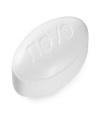
| 10pills | $209.99 $21.00 per pill |
Add To Cart
save:
$0.00
|
|
| Free Shipping | |||
| 20pills | $409.99 $20.50 per pill |
Add To Cart
save:
$10.00
|
|
| Free Shipping | |||
| 30pills | $599.99 $20.00 per pill |
Add To Cart
save:
$30.00
|
|
| Free Shipping | |||
| 60pills | $1139.99 $19.00 per pill |
Add To Cart
save:
$120.00
|
|
| Free Shipping | |||
| 90pills | $1664.99 $18.50 per pill |
Add To Cart
save:
$225.00
|
|
| Free Shipping | |||
| 10pills | $239.99 $24.00 per pill |
Add To Cart
save:
$0.00
|
|
| Free Shipping | |||
| 20pills | $469.99 $23.50 per pill |
Add To Cart
save:
$10.00
|
|
| Free Shipping | |||
| 30pills | $689.99 $23.00 per pill |
Add To Cart
save:
$30.00
|
|
| Free Shipping | |||
| 60pills | $1319.99 $22.00 per pill |
Add To Cart
save:
$120.00
|
|
| Free Shipping | |||
| 90pills | $1934.99 $21.50 per pill |
Add To Cart
save:
$225.00
|
|
| Free Shipping | |||
| 10pills | $259.99 $26.00 per pill |
Add To Cart
save:
$0.00
|
|
| Free Shipping | |||
| 20pills | $509.99 $25.50 per pill |
Add To Cart
save:
$10.00
|
|
| Free Shipping | |||
| 30pills | $749.99 $25.00 per pill |
Add To Cart
save:
$30.00
|
|
| Free Shipping | |||
| 60pills | $1439.99 $24.00 per pill |
Add To Cart
save:
$120.00
|
|
| Free Shipping | |||
| 90pills | $2114.99 $23.50 per pill |
Add To Cart
save:
$225.00
|
|
| Free Shipping | |||
Talk to a pharmacist - free. Our licensed pharmacists answer within 60 seconds on weekdays. No upsell, no obligation. Discreet, HIPAA-aware chat.
"I was rationing insulin. CVS $312 → Rite $38. I cried in my car."
"Walmart $244 for Metformin. You? $19. Are you kidding me? Same damn pill."
"My mom cut her Lipitor in half for a year. Now she doesn't. $387 → $31."
"Boots charged £89. Rite £14. Same box. I felt scammed for 3 years."
"Amazon said 'cheap'. $196. RiteDrugstore $29. Prime my ass."
"My dad in India pays $8. I paid $198 at CVS. For the same factory."


A 52-year-old woman — let's call her Maria — sat across from her endocrinologist for the third time in nine months. Her A1C was 8.4%. It had been 8.6% the visit before that. She was on metformin 2000 mg daily, had been for four years. She walked three miles most mornings. She had cut her carbohydrate intake by a third. She was doing, by any reasonable measure, everything a motivated patient could be expected to do. And her blood sugar was barely budging.
Maria is not an outlier. She is a pattern. Type 2 diabetes is a progressive disease driven by worsening insulin resistance and declining beta-cell function over time. Metformin alone eventually stops being enough for most patients — not because they're failing, but because the disease is advancing. Maria's doctor added oral semaglutide 3 mg, titrated to 7 mg after 30 days, then to 14 mg after another 30 days. At her next visit, her A1C was 6.8%. She had also lost 11 pounds without trying to.
That isn't a miracle story. It's what the clinical data predict. But the path from "my doctor mentioned semaglutide" to actually understanding what this medication does, how to take it correctly, and what to realistically expect — that path is littered with misinformation, social media hype, and dangerously oversimplified advice.
This page exists to fix that.
Generic semaglutide is the non-branded form of the active pharmaceutical ingredient semaglutide, a glucagon-like peptide-1 (GLP-1) receptor agonist manufactured by Novo Nordisk under several brand names. The oral tablet formulation — originally marketed as Rybelsus — is FDA-approved for improving glycemic control in adults with type 2 diabetes mellitus and for reducing the risk of major adverse cardiovascular events (MACE) in adults with type 2 diabetes and established cardiovascular disease.
Key distinctions to understand before reading further:
Semaglutide is the active ingredient. It comes in two delivery systems: oral tablets (taken daily) and subcutaneous injection (given once weekly). These are not interchangeable. The oral and injectable forms have different dosing, different bioavailability, and different approved indications depending on the specific product.
Rybelsus is the original FDA-approved oral semaglutide brand (Novo Nordisk), approved under NDA 213051. Ozempic (injection) is approved for type 2 diabetes and cardiovascular risk reduction (NDA 209637). Wegovy (injection, 2.4 mg) is approved specifically for chronic weight management and cardiovascular risk reduction in adults with obesity or overweight.
The generic oral semaglutide tablets sold through international pharmacies contain the same active ingredient as Rybelsus. However, generic versions may not have undergone the same FDA approval process as the innovator product. If you are purchasing generic semaglutide from an international source, discuss this with your prescribing physician so they can confirm the product's regulatory standing and bioequivalence documentation.
Oral semaglutide is FDA-approved for two indications in adults:
First, as an adjunct to diet and exercise to improve glycemic control in adults with type 2 diabetes mellitus. Second, to reduce the risk of major adverse cardiovascular events — specifically cardiovascular death, nonfatal heart attack, and nonfatal stroke — in adults with type 2 diabetes and established cardiovascular disease.
Oral semaglutide is not FDA-approved for weight loss. The FDA-approved weight management indication belongs to Wegovy (semaglutide 2.4 mg injection). This distinction matters legally, clinically, and practically. Physicians may prescribe oral semaglutide off-label for weight management, and the clinical literature supports its weight-reduction effects, but the approved indication for the oral formulation is glycemic control and cardiovascular risk reduction in type 2 diabetes.
Screenshot This: Oral semaglutide reduced A1C by approximately 1.0% to 1.4% across the PIONEER clinical trial program, depending on dose and baseline severity. The 14 mg dose consistently outperformed comparators including sitagliptin, empagliflozin, and liraglutide in head-to-head trials.
Here's what infuriates me: The number of people self-prescribing semaglutide for weight loss without a diagnosis of type 2 diabetes or obesity, without baseline labs, without thyroid cancer screening, and without medical supervision. Social media has turned a prescription medication with a boxed warning into a casual weight loss trend. Semaglutide has real benefits — but it also has real risks, real contraindications, and a mandatory dose titration schedule that exists for safety reasons, not to inconvenience you.
Semaglutide is a GLP-1 receptor agonist with 94% structural homology to native human GLP-1 (glucagon-like peptide-1). GLP-1 is an incretin hormone released by the gut after eating. It signals the pancreas to produce insulin, tells the liver to reduce glucose output, and communicates with the brain to reduce appetite and slow stomach emptying.
The problem with native GLP-1 is that it lasts only about 2 minutes in the bloodstream before being broken down by the enzyme dipeptidyl peptidase-4 (DPP-4). Semaglutide is engineered to resist that breakdown. It binds to albumin in the blood, which shields it from degradation and gives it a half-life of approximately one week — roughly 5,000 times longer than the natural hormone.
Semaglutide works through three simultaneous mechanisms:
Glucose-dependent insulin secretion. When blood sugar rises after a meal, semaglutide amplifies the signal to the pancreatic beta cells to release more insulin. When blood sugar is normal or low, this effect diminishes — which is why semaglutide alone carries a low risk of hypoglycemia (unlike sulfonylureas or insulin, which push insulin out regardless of glucose levels).
Glucagon suppression. Glucagon is the counter-regulatory hormone that tells the liver to release stored glucose. In type 2 diabetes, glucagon levels are inappropriately elevated. Semaglutide suppresses this excess glucagon, reducing the liver's glucose output.
Delayed gastric emptying. Food moves through the stomach more slowly. This blunts post-meal glucose spikes and contributes to the sensation of fullness. It's also why nausea is the most common side effect — the stomach isn't emptying on its usual schedule.
The oral formulation adds one more layer of engineering. Semaglutide is a peptide — a small protein — that would normally be destroyed by stomach acid and digestive enzymes. To solve this, each tablet contains a co-formulated absorption enhancer called SNAC (sodium N-[8-(2-hydroxybenzoyl) amino] caprylate). SNAC creates a localized pH buffer around the tablet in the stomach, protects the semaglutide molecule, and facilitates its absorption through the gastric epithelium. This is why the dosing instructions are so specific: the tablet must be taken on an empty stomach with no more than 4 ounces of plain water, and you must wait at least 30 minutes before eating, drinking, or taking other medications.
Screenshot This: Oral semaglutide has an absolute bioavailability of approximately 0.8% under optimal dosing conditions. That means 99.2% of the drug you swallow never reaches your bloodstream. Every deviation from the dosing protocol — drinking coffee instead of water, eating too soon, taking it with other medications — pushes that already-slim absorption lower.
Admit it: You've been taking your oral semaglutide with your morning coffee, or swallowing it with a full glass of water, or popping it with your other pills at the same time. Each of these habits can reduce absorption enough to compromise the drug's effectiveness. The 30-minute fasting window and the 4-ounce plain water limit are not suggestions. They are pharmaceutical engineering requirements.
Oral semaglutide follows a mandatory dose-escalation schedule:
Admit it: You skipped the 3 mg month because you read online that it's "just a starter dose that doesn't do anything." The 3 mg initiation phase is not about efficacy. It's about gastrointestinal tolerance. Patients who skip or rush this phase experience significantly higher rates of nausea, vomiting, and early discontinuation. The titration schedule exists because it works. Slow escalation produces better long-term adherence.
You're not imagining it: The 30-minute fasting window feels inconvenient and disruptive to your morning routine. You're right that it is. And there's no way around it. The SNAC absorption enhancer in the tablet requires an empty stomach and minimal water volume to function. This is a genuine limitation of the oral formulation. If the morning routine is unworkable for your lifestyle, discuss the once-weekly injectable formulation (Ozempic) with your physician — same molecule, no timing restrictions.
Micro-case study — Patient A: 58-year-old male, BMI 33, A1C 8.1%, on metformin 1500 mg daily for 3 years. Started oral semaglutide 3 mg, titrated to 7 mg at week 4, then 14 mg at week 8. At 6 months: A1C 6.5%, weight down 14 pounds. Experienced mild nausea during weeks 5-6 that resolved without intervention. Key takeaway: standard titration produced textbook results with tolerable side effects.
Here is what realistic improvement looks like on oral semaglutide, and what the clinical trials actually support:
Weeks 1-4 (3 mg): Little to no change in blood sugar. This is expected. Mild nausea is common. Some patients notice reduced appetite, which is also expected — GLP-1 receptor activation in the brain's satiety centers begins before the glycemic effects fully manifest.
Weeks 5-12 (7 mg or titrating to 14 mg): Fasting glucose levels begin to drop. Post-meal glucose spikes flatten. You may notice that you feel full sooner during meals and that food "sits" longer. Weight may begin to decrease. A1C reduction becomes measurable at the 3-month lab check.
Months 3-6: A1C typically reaches its nadir. The PIONEER trials showed most of the A1C reduction occurring within the first 26 weeks. Weight loss continues gradually.
Steady state: Semaglutide's one-week half-life means it takes approximately 4-5 weeks of daily dosing to reach steady-state plasma levels. Full therapeutic effect should be assessed after at least 8-12 weeks at the target dose.
Screenshot This: In the PIONEER 1 trial, oral semaglutide 14 mg reduced A1C by 1.4% from baseline at 26 weeks, compared to 0.02% with placebo. But 16% of patients on the 14 mg dose experienced nausea. The nausea typically peaked during dose escalation and diminished over weeks 8-12.
How many of you were told by a friend or social media influencer that semaglutide "melts fat overnight"? The actual data show gradual, sustained weight reduction over months — not dramatic overnight changes. If someone's experience sounds too dramatic too fast, they may be on the injectable 2.4 mg weight-management dose (Wegovy), not the oral formulation.
Oral semaglutide carries an FDA Boxed Warning — the most serious type of safety warning in U.S. drug labeling:
BOXED WARNING — RISK OF THYROID C-CELL TUMORS: In rodent studies, semaglutide caused dose-dependent and treatment-duration-dependent thyroid C-cell tumors (including medullary thyroid carcinoma) at clinically relevant exposures. It is unknown whether semaglutide causes thyroid C-cell tumors, including medullary thyroid carcinoma (MTC), in humans. Semaglutide is contraindicated in patients with a personal or family history of MTC and in patients with Multiple Endocrine Neoplasia syndrome type 2 (MEN 2). Counsel patients regarding the potential risk of MTC and symptoms of thyroid tumors.
This warning is not theoretical caution. It is based on animal data showing actual tumor formation. The human relevance is uncertain — C-cells in rodents respond differently to GLP-1 stimulation than human C-cells, and no clear signal has emerged in post-marketing surveillance or long-term human studies. But the uncertainty itself is the reason for the warning.
Pancreatitis. Cases of acute pancreatitis, including fatal and non-fatal hemorrhagic or necrotizing pancreatitis, have been reported. Discontinue promptly if pancreatitis is suspected. Do not restart if confirmed.
Gallbladder disease. Cholelithiasis (gallstones) and cholecystitis have been reported. GLP-1 receptor agonists as a class affect gallbladder motility.
Acute kidney injury. Reported in patients experiencing severe nausea, vomiting, or diarrhea leading to dehydration. Monitor renal function when GI adverse reactions occur, especially in patients with pre-existing kidney disease.
Diabetic retinopathy complications. Rapid improvement in glucose control has been associated with temporary worsening of diabetic retinopathy. Monitor patients with a history of diabetic retinopathy.
Hypoglycemia. Risk increases when used with insulin or insulin secretagogues (sulfonylureas). Consider reducing the dose of concomitant insulin or sulfonylurea when starting semaglutide.
You're not imagining it: The nausea can be genuinely debilitating during the first few weeks of dose escalation. It's not "in your head" and it's not trivial. The mechanism is real — delayed gastric emptying means food sits in your stomach longer than your body expects. Eating smaller, more frequent meals, avoiding high-fat foods, and staying hydrated can help. If nausea persists beyond 8 weeks at a stable dose, talk to your physician about dose adjustment rather than pushing through.
Here's what infuriates me: Patients being told to "power through" severe nausea and vomiting without medical guidance. Persistent vomiting causes dehydration. Dehydration in a patient on a medication that can stress the kidneys is a direct path to acute kidney injury. If you are vomiting more than once or twice and cannot keep fluids down, contact your healthcare provider. Do not "power through" organ damage.
Oral semaglutide's primary interaction concern stems from its effect on gastric emptying. Because it slows how quickly medications move through the stomach, it can theoretically alter the absorption of other oral drugs.
Levothyroxine (thyroid medication). Semaglutide may affect absorption. Many physicians recommend taking levothyroxine at least 30 minutes before or 4 hours after semaglutide, or monitoring thyroid levels more closely after starting semaglutide. Discuss timing with your doctor.
Oral contraceptives. Delayed gastric emptying could theoretically reduce absorption. Clinical studies have not shown a clinically meaningful interaction, but patients should be aware.
Warfarin and other narrow therapeutic index drugs. Monitor INR more frequently when initiating or changing semaglutide doses. The delayed gastric emptying may alter warfarin absorption timing.
Insulin and insulin secretagogues (sulfonylureas like glipizide, glimepiride, glyburide). Not an absorption interaction, but a pharmacodynamic interaction. Semaglutide lowers blood sugar. Adding it to insulin or a sulfonylurea increases hypoglycemia risk. Dose reduction of the insulin or sulfonylurea may be needed.
Other oral medications: The general principle is to take semaglutide first, wait at least 30 minutes, and then take all other oral medications with breakfast. This preserves semaglutide absorption and minimizes interaction potential.
Food: No specific food interactions beyond the mandatory 30-minute fasting window. After the 30-minute wait, eat and drink normally.
Alcohol: No specific contraindication, but alcohol can independently cause hypoglycemia and gastroparesis. Combined with semaglutide's gastric-slowing effect, alcohol may worsen nausea and increase hypoglycemia risk, especially in patients also on insulin or sulfonylureas.
Copy-paste this for someone who needs to hear it: "If you're on oral semaglutide, take it first thing in the morning with a small sip of plain water — no more than 4 ounces. Then wait 30 full minutes before eating, drinking anything else, or swallowing any other pills. This isn't optional. The drug has less than 1% bioavailability, and every shortcut you take with timing makes it even lower. You're literally paying for medicine your body can't absorb if you don't follow the protocol."
Semaglutide should be discontinued at least 2 months before a planned pregnancy. This extended washout is necessary because semaglutide's approximately one-week half-life means the drug takes roughly 5 weeks to clear to negligible plasma levels.
Animal reproduction studies have demonstrated embryofetal toxicity — structural abnormalities, growth alterations, and embryofetal mortality. There is insufficient human data to establish safety during pregnancy. Semaglutide is not recommended during pregnancy.
Breastfeeding: There is insufficient data on whether semaglutide passes into human breast milk. Use during breastfeeding is not recommended given the absence of safety data.
Fertility: There is no established evidence that semaglutide directly impairs fertility. However, weight loss and improved metabolic function may restore ovulatory cycles in women with PCOS or obesity-related anovulation. Patients who were previously sub-fertile may become pregnant unexpectedly after starting semaglutide. Use reliable contraception if pregnancy is not desired.
Screenshot This: Semaglutide must be stopped at least 2 months before attempting pregnancy. Its one-week half-life means it lingers in the body far longer than most daily oral medications. If you're a woman of reproductive age on this medication and not actively using contraception, you may be taking a risk with a drug that showed fetal harm in animal studies.
Admit it: You assumed that because it's a "diabetes pill," the fertility implications don't apply to you. Semaglutide's metabolic improvements — weight loss, improved insulin sensitivity, normalized hormones — can restore fertility in women who haven't ovulated normally in years. This is well-documented with GLP-1 receptor agonists. If your periods have been irregular or absent and suddenly become regular after starting semaglutide, you may be ovulating again.
No dose adjustment is required for patients over 65 based on pharmacokinetic data. Semaglutide exposure is not significantly altered by age alone. That said, older patients deserve additional attention:
Renal impairment: No dose adjustment required for mild, moderate, or severe renal impairment. However, monitor renal function closely, especially during GI adverse events that could lead to dehydration.
Hepatic impairment: No dose adjustment required for any degree of hepatic impairment. Semaglutide pharmacokinetics are not clinically altered by liver dysfunction.
Missed dose: If you miss a dose of oral semaglutide, skip it and take the next dose the following day at the usual time. Do not take two doses on the same day to make up for a missed dose. Because semaglutide has a one-week half-life and accumulates to steady state over 4-5 weeks, missing a single day has minimal impact on overall drug exposure.
If you miss more than several consecutive days, contact your healthcare provider. Depending on how long the gap was, they may advise restarting at a lower dose and re-titrating to reduce the risk of GI side effects.
Overdose: There is limited data on semaglutide overdose in humans. Expected symptoms would likely be severe gastrointestinal effects — intractable nausea, vomiting, and diarrhea — potentially leading to dehydration and secondary complications.
Can semaglutide be stopped suddenly? There is no physical withdrawal syndrome. However, stopping abruptly will result in:
If discontinuation is needed (for surgery, pregnancy planning, or intolerance), discuss the timeline with your healthcare provider. Alternative glucose-lowering therapy should be initiated to prevent glycemic deterioration.
Same molecule. Different delivery. Injectable semaglutide (Ozempic 0.5 mg, 1 mg, or 2 mg once weekly) avoids the absorption limitations of oral delivery and achieves higher, more consistent drug exposure. In the PIONEER 7 trial, oral semaglutide and injectable semaglutide 1 mg produced comparable A1C reductions, though the injectable had slightly more consistent results. The injectable has no fasting or timing requirements.
Tirzepatide is a dual GIP/GLP-1 receptor agonist — it activates two incretin receptors instead of one. In head-to-head trials (SURPASS program), injectable tirzepatide produced greater A1C reduction and weight loss than injectable semaglutide 1 mg. Tirzepatide is currently available only as a once-weekly injection.
Metformin remains the first-line therapy for type 2 diabetes in most guidelines. It is inexpensive, well-studied over decades, weight-neutral to mildly weight-reducing, and has an excellent safety profile. Oral semaglutide is not a replacement for metformin in most patients — it is an addition when metformin alone is insufficient. Many patients take both simultaneously.
DPP-4 inhibitors work on the same incretin pathway but are less potent. They prevent breakdown of endogenous GLP-1 rather than providing a supraphysiological GLP-1 signal. PIONEER 3 directly compared oral semaglutide to sitagliptin — semaglutide achieved significantly greater A1C reduction. DPP-4 inhibitors are weight-neutral; semaglutide causes weight loss.
SGLT2 inhibitors lower blood sugar by blocking glucose reabsorption in the kidneys. They also provide cardiovascular and kidney-protective benefits independent of glycemic control. PIONEER 2 showed oral semaglutide 14 mg reduced A1C more than empagliflozin 25 mg. However, SGLT2 inhibitors have unique renal and heart failure benefits that semaglutide does not replicate. Many patients benefit from both.
Admit it: You've been comparing semaglutide products by price alone — buying the cheapest generic oral tablet you can find. Price matters. But bioavailability of oral semaglutide is only 0.8% under optimal conditions. If a generic formulation uses a different SNAC excipient system, different tablet coating, or different manufacturing process, absorption could differ meaningfully. Ask your pharmacist or physician about the specific manufacturer's bioequivalence data.
The cheapest option is not always the most cost-effective. A medication that costs less per tablet but has uncertain bioequivalence, no U.S. FDA oversight, and no recourse for quality complaints is a different value proposition than a fully FDA-regulated product with established manufacturing standards. Discuss this tradeoff explicitly with your physician.
Screenshot This: Brand-name oral semaglutide costs over $10,000/year at U.S. retail prices without insurance. The same molecule is available through international pharmacies for a fraction of that cost. The cost difference is real, but so is the regulatory difference. Informed patients discuss both with their doctor.
Approximately 10-15% of patients on any GLP-1 receptor agonist do not achieve the expected glycemic or weight-loss response. This is not a personal failure. It is biological variation.
Several factors contribute: Genetic polymorphisms in the GLP-1 receptor gene itself can alter receptor sensitivity. Variants in genes affecting gastric absorption (particularly relevant for the oral formulation) may reduce bioavailability even further below the already-low 0.8% baseline. Individual variation in beta-cell reserve — patients with severely diminished beta-cell function (late-stage type 2 diabetes with significant insulin deficiency) respond less robustly because semaglutide's mechanism depends on functional beta cells to secrete insulin.
For non-responders, alternatives include:
You're not imagining it: You followed every dosing instruction perfectly and your A1C barely moved. It's not in your head. Some patients genuinely metabolize semaglutide differently or have residual beta-cell function that's too depleted for a GLP-1 agonist to leverage effectively. Talk to your endocrinologist about alternative strategies rather than assuming you "did something wrong."
Exercise: Semaglutide works best alongside regular physical activity. Resistance training is particularly valuable because it helps preserve muscle mass during weight loss. Aim for at least 150 minutes of moderate aerobic activity plus 2 sessions of resistance training per week (per ADA guidelines). Exercise also independently improves insulin sensitivity, which compounds semaglutide's glycemic benefit.
Travel: Oral semaglutide is easier to travel with than injectable formulations — no cold chain, no syringes, no TSA explanations. Pack enough tablets for your entire trip plus 5 extra days. Maintain the 30-minute morning fasting protocol even across time zones. When traveling across multiple time zones, shift your dosing time gradually to match the new morning schedule.
Meal planning: Eating smaller, more frequent meals during dose escalation significantly reduces nausea. High-fat and fried foods are the most common nausea triggers. Lean proteins, complex carbohydrates, and vegetables are generally better tolerated. After the initial adjustment period, most patients return to normal eating patterns.
Alcohol: Not contraindicated, but be aware that alcohol can cause hypoglycemia (especially with concurrent insulin or sulfonylureas), worsen GI side effects, and add empty calories that work against the drug's metabolic benefits.
Relationships and social eating: The appetite-suppressive effect can create social friction at family meals, dinner parties, or cultural events where food is central. You may find yourself unable to eat portions that were previously normal. Communicate this with family and friends. It is a medication effect, not a choice to be antisocial about food.
Myth: "Semaglutide is just a weight loss drug."
Reality: The oral formulation is FDA-approved for type 2 diabetes and cardiovascular risk reduction, not weight loss. Weight loss is a consistent effect, but it is not the approved indication for the oral form. The weight management approval belongs to Wegovy (injectable, 2.4 mg).
Myth: "If I take semaglutide, I can stop worrying about diet and exercise."
Reality: Semaglutide is approved as an adjunct to diet and exercise — not a replacement. In every clinical trial, all participants received diet and exercise counseling. The drug's benefits are additive to lifestyle changes, not substitutes for them.
Myth: "Generic semaglutide from an international pharmacy is just as good as the brand name."
Reality: The active ingredient is the same molecule. But the SNAC absorption-enhancer system, tablet coating, manufacturing standards, and quality assurance processes may differ between manufacturers. Bioequivalence should be established through studies, and not all international generics have publicly available bioequivalence data. The drug can work identically — but "can" is not "guaranteed." Discuss this with your prescribing physician.
Myth: "Semaglutide causes thyroid cancer."
Reality: Semaglutide caused thyroid C-cell tumors in rodents at clinically relevant exposures. The relevance to humans is unknown. Human C-cells have far fewer GLP-1 receptors than rodent C-cells. No clear signal of increased thyroid cancer has emerged in human post-marketing data. But the contraindication for patients with personal or family history of MTC or MEN 2 is absolute.
Copy-paste this for someone who needs to hear it: "Oral semaglutide has to be taken on an empty stomach with a small sip of water, then you wait 30 minutes before eating or taking any other pills. Less than 1% of the drug actually gets absorbed — anything that disrupts that tiny window (food, coffee, other meds, too much water) makes it even worse. This is why some people think it 'doesn't work' — they're taking it wrong."
The PIONEER clinical trial program — 10 randomized controlled trials involving over 9,000 patients — established oral semaglutide's efficacy and safety:
The SELECT trial (17,604 participants with overweight/obesity and established cardiovascular disease but without diabetes) demonstrated that injectable semaglutide 2.4 mg reduced MACE risk by 20% compared to placebo. While SELECT used the injectable formulation, it established semaglutide's cardiovascular-protective mechanism at the molecular level — benefits that extend across formulations through shared pharmacology.
Screenshot This: In the SELECT trial, semaglutide reduced the combined risk of cardiovascular death, nonfatal heart attack, and nonfatal stroke by 20%. This cardiovascular benefit appeared early — before significant weight loss had occurred — suggesting mechanisms beyond weight reduction alone.
The current stepwise treatment algorithm — start metformin, fail, add a second agent, fail, add a third — delays effective treatment for years while the disease progresses. Emerging evidence supports earlier, more aggressive combination therapy. Starting metformin plus a GLP-1 agonist simultaneously at diagnosis — rather than waiting for metformin to fail — could preserve more beta-cell function and achieve better long-term glycemic control. Not every guideline agrees. But the clinical logic is sound: treat the disease aggressively while you still have beta cells worth saving.
A1C is an imperfect treatment target. Two patients can have the same A1C of 7.0% but wildly different glucose variability — one experiences dangerous post-meal spikes to 250 mg/dL followed by nocturnal lows, while the other has a flat, steady glucose profile. GLP-1 agonists like semaglutide flatten glucose variability, which may provide benefits not captured by A1C alone. As continuous glucose monitoring becomes more accessible, treatment success should be measured by time-in-range (70-180 mg/dL) alongside A1C — not instead of, but alongside.
The "semaglutide food aversion" phenomenon: A subset of patients on semaglutide develop specific food aversions — often to foods they previously enjoyed, particularly rich, fatty, or sweet foods. This is not widely discussed in prescribing information but is consistently reported in clinical practice. The mechanism likely involves altered gut-brain signaling through GLP-1 receptors in the area postrema and nucleus tractus solitarius. It typically fades over months but can be socially and psychologically significant. If you suddenly can't stand the sight of foods you used to love, this is a recognized medication effect, not a personal quirk.
Seasonal dosing patterns: Some endocrinologists observe higher rates of GI side effects during summer months — likely because patients are mildly dehydrated from heat and outdoor activity, which reduces GI tolerance. If you're starting or escalating semaglutide during summer, be especially attentive to hydration. Drink adequate water throughout the day (after the 30-minute fasting window), particularly if you exercise or spend time outdoors.
Disposal: Do not flush tablets. Follow FDA guidelines for safe medication disposal or return unused medication to a pharmacy take-back program.
Copy-paste this for someone who needs to hear it: "Semaglutide is not a 'diabetes cure.' It controls the disease while you take it. When you stop, your blood sugar and weight will trend back to where they were. This isn't a failure of the drug — it's the nature of type 2 diabetes as a chronic, progressive condition. Staying on the medication long-term, alongside diet and exercise, is the plan. Not a patch until something better comes along."
What is generic semaglutide?
Generic semaglutide is the non-branded version of the active ingredient semaglutide, a GLP-1 receptor agonist. The branded oral formulation was originally marketed as Rybelsus by Novo Nordisk. Generic versions contain the same active molecule.
What strengths are available?
Oral semaglutide tablets are available in 3 mg, 7 mg, and 14 mg. All patients start at 3 mg and titrate up.
How do I take it?
On an empty stomach each morning. Swallow whole with no more than 4 ounces of plain water. Wait at least 30 minutes before eating, drinking, or taking other medications.
Can I take semaglutide for weight loss?
The oral formulation is FDA-approved for type 2 diabetes and cardiovascular risk reduction — not for weight loss. Weight loss occurs as a consistent effect, and off-label use is at a physician's discretion, but the weight management indication belongs to Wegovy (injectable).
How long until it works?
Most patients see measurable A1C improvement within 8-12 weeks at a therapeutic dose (7 mg or 14 mg). Full steady-state drug levels are reached after 4-5 weeks of daily dosing.
What if I miss a dose?
Skip the missed dose and take the next one the following morning at the usual time. Do not double up.
Can I drink alcohol?
There is no absolute contraindication, but alcohol can worsen nausea, lower blood sugar, and add empty calories. Use moderation and monitor glucose closely.
Does semaglutide cause thyroid cancer?
Semaglutide caused thyroid C-cell tumors in rodents. The relevance to humans is unknown, but it is contraindicated in patients with personal or family history of medullary thyroid carcinoma or MEN 2.
Do I need bloodwork?
Yes. Baseline labs (A1C, metabolic panel, thyroid function) before starting, then periodic monitoring every 3-12 months depending on clinical response.
Can I take it with metformin?
Yes. Semaglutide and metformin are commonly prescribed together. No dose adjustment is needed for either drug.
Is the generic version the same as the brand?
The active ingredient is the same molecule. Manufacturing processes, absorption-enhancer technology, and regulatory oversight may differ between the branded product and international generics. Discuss with your physician.
Is a prescription required?
Yes. Semaglutide is a prescription medication in all formulations.
How many of you have been managing your type 2 diabetes on metformin alone for years, watching your A1C creep upward visit by visit, and hearing your doctor say "let's give lifestyle changes more time"? If your A1C has been above target for two consecutive checks despite adherence to metformin and lifestyle modification, you are a candidate for treatment intensification. The disease is progressing. A second agent — whether semaglutide or another option — is not an admission of failure. It is appropriate medical care for a progressive disease.



| Shipping method | Delivery time | Price | |
|---|---|---|---|
| Regular Delivery | 10 – 15 days | $10 | Tracking# in 4 days |
| Trackable Delivery | 5 – 10 days | $30 | Tracking# in 2 days |
Licensed pharmacy since 2016. We deliver the same FDA-approved generics as big chains, without the retail markup. Discreet, secure, and pharmacist-supported.
Verified pharmacy. HIPAA compliant, SSL secured checkout, and real pharmacist license you can verify.
Same active ingredient, same efficacy as brand. No counterfeits. Sourced from WHO-GMP certified facilities.
Free chat with a licensed pharmacist. Dosage questions, interactions, or transfer help — no bots.
Plain letter packaging (24x11x0.7cm). No content disclosure. Billing appears as RiteDrugstore LLC.
We don't manufacture. We source directly from FDA-registered, WHO-GMP certified manufacturers in India, EU, and US — the same suppliers used by CVS and Walgreens for generics. Every batch is checked for Certificate of Analysis (CoA) and stored in temperature-controlled facility in NJ.
| Feature | RiteDrugstore | CVS / Walgreens |
|---|---|---|
| Price for Semaglutide 30 pills | $0.00 Generic | $350-480 Brand |
| Generic Availability | ✓ Immediate, FDA-approved | Often brand-only push |
| Pharmacist Chat | ✓ Free 24/7 chat | Counter only, limited hours |
| Prescription Transfer | ✓ We handle it for you | You call doctor |
| Packaging | ✓ 100% discreet letter | Pharmacy bag, labeled |
| What to check | RiteDrugstore | Shady Online Sites |
|---|---|---|
| Certified | ✓ Certified | ✗ No seal, fake badge |
| Requires Prescription? | Yes - we verify or help transfer | No Rx needed (red flag) |
| Hidden Fees at Checkout | No - price you see is final + shipping | Adds $30-50 at last step |
| Real Address | 1209 Orange St, Wilmington, DE | PO Box / No address |
| Batch Tracking | Lot # on package + invoice | No lot info |
Payment encrypted via 256-bit SSL. Confirmation email instantly.
Pharmacist reviews prescription, checks interactions. If transfer needed, we call your doctor.
Packed in plain white letter (9.4x4.3x0.3in). No logo, no content listed. Lot # added.
Regular: $10 (10-15 days) / Trackable: $30 (5-10 days). Tracking email when label created.
Mailbox delivery, signature not required. Support stays open for refills.
Choose your dose above (e.g. 200mg) and quantity. Click Add to Cart.
No Rx? Select "I need prescription transfer" - we contact your doctor free.
Pay with card, PayPal, or crypto. Get tracking in 2-4 days via email.
Same pill as retail chains, discreet delivery, pharmacist-backed.